Blog

  • Why Most Medical Devices Don’t Fail in the Lab. They Fail in Decision Architecture

    Why Most Medical Devices Don’t Fail in the Lab. They Fail in Decision Architecture

    This is Part 1 of a 4-part series on why medical devices stall after early prototypes, and how to build a strategy-grade architecture that survives MDR, scales industrially, and protects investment. In the next posts, we’ll map the decision checkpoints that separate functional prototypes from viable products.

    Innovation in medical technology rarely fails because the technology does not work.

    It fails because the structure behind it is fragile.

    Across Europe, promising devices continue to struggle during certification, stall in clinical validation, or lose investor confidence before commercialization. In most cases, engineering capability is not the problem.

    Early-stage decision architecture is.

    Too many projects begin with a prototype.
    Too few begin with a roadmap.

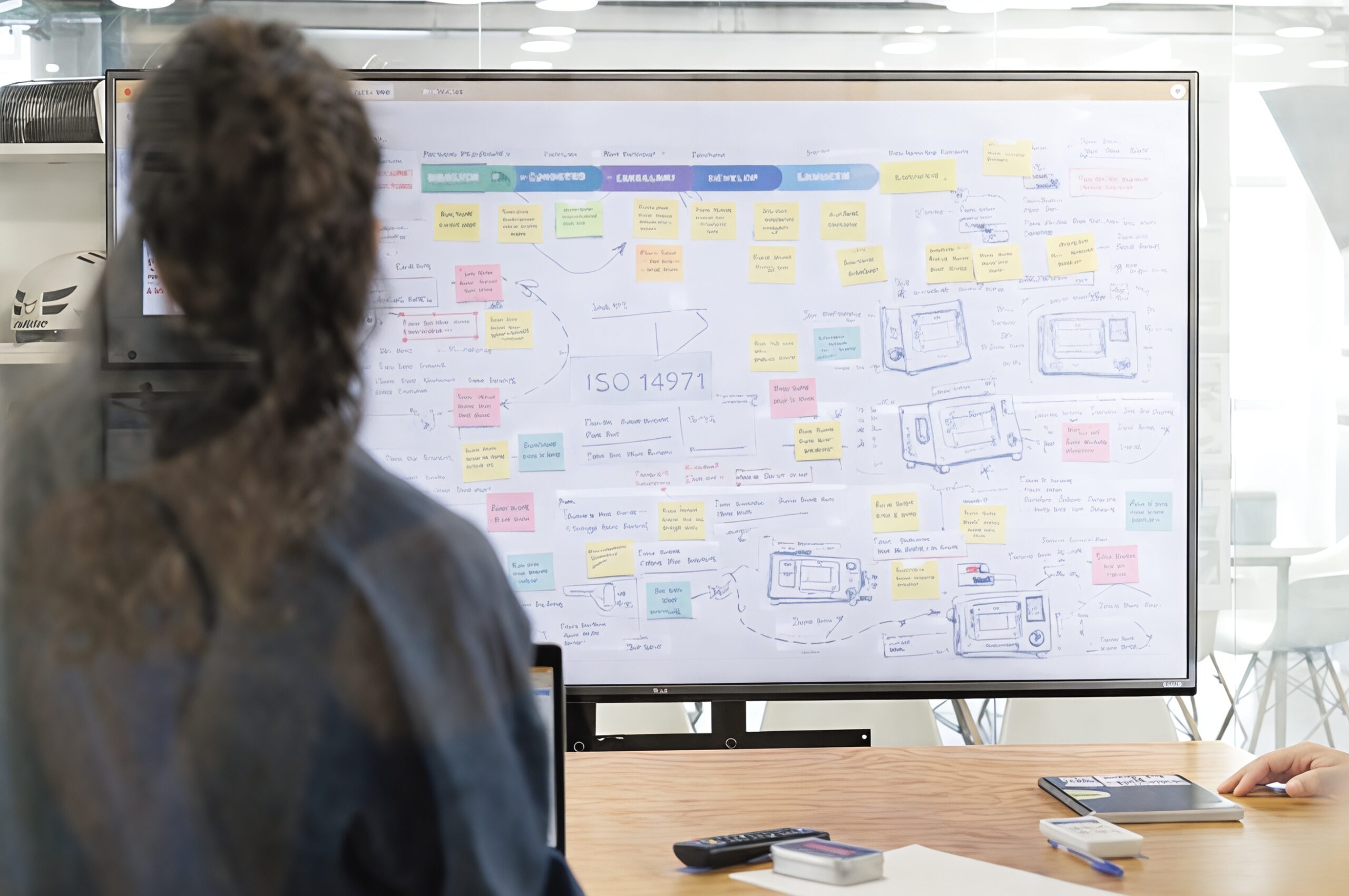
    When product architecture is defined without integrating regulatory classification, ISO 14971 risk logic, usability engineering requirements, scalability constraints, manufacturing strategy, and digital ecosystem planning, complexity accumulates silently.

    By the time MDR compliance becomes central, redesign becomes inevitable.

    Redesign consumes time.
    Time consumes capital.
    Capital erosion reduces trust.

    Early warning signs your device is building hidden fragility:

    • Regulatory classification and clinical pathway are still “to be defined” while the prototype is already locked.
    • Risk management (ISO 14971) exists as documentation, not as a design driver.
    • Manufacturing, serviceability, and digital infrastructure are treated as “Phase 2”.
    • Evidence strategy is reactive: usability, verification and clinical plans are built to justify decisions already made.
    • The roadmap is a feature roadmap, not a regulatory, operational and lifecycle roadmap.

    A medical device is not simply a product that solves a clinical problem. It is a regulated system embedded within institutional frameworks, reimbursement logic, traceability requirements, post-market surveillance obligations, and evolving standards.

    In complex developments such as advanced neuro-monitoring platforms or connected therapeutic systems, the same pattern repeats: when regulatory logic, hardware architecture, and digital infrastructure are not conceived together, friction appears downstream, often at the most expensive stage of the process.

    The issue is rarely technological feasibility.
    It is structural coherence, most of the time.

    If regulatory alignment is postponed, it becomes friction.
    If scalability is not considered early, cost structures become barriers.
    If usability is validated only formally, real-world performance suffers.

    Technology alone does not guarantee survival.
    Structure does.

    In projects involving high-sensitivity biosignal acquisition, multi-component wearable systems, or hybrid hardware–software medical platforms, the decisive factor has never been technical ambition. It has been architectural clarity: defining risk pathways before form, regulatory classification before detailing, scalability before aesthetics.

    Design, when treated as a strategic discipline rather than an aesthetic exercise, becomes a mechanism for risk reduction. It aligns engineering decisions with regulatory pathways. It anticipates documentation logic. It integrates digital layers. It supports industrial scalability.

    This is where many medical innovations diverge: some focus on proving functionality; others structure viability.

    Innovation without structural coherence may impress in the laboratory.
    But the real test of a medical device is not whether it works.

    It is whether it survives certification, scales responsibly, earns institutional trust, and reaches patients sustainably.

    Next in this series:

    • Part 2: MDR is not a phase. It’s a design layer (and how it changes architecture decisions).
    • Part 3: Beyond hardware. Architecting connected devices (software, data, cybersecurity, lifecycle updates).
    • Part 4: From prototype to investable company. Designing scalability and predictability investors trust.

    Request the Decision Architecture Checklist (DAC)
    If you want the 1-page Decision Architecture Checklist used in this series, email hello@ideadesign.es with the subject line DAC. We’ll send it over.

    Devices do not fail in the lab.

    They fail in strategy.
  • Designing Without Borders: IDEA Design’s International Journey Powered by INFO

    Designing Without Borders: IDEA Design’s International Journey Powered by INFO

    The internationalization process of IDEA Design, supported by the Instituto de Fomento de la Región de Murcia (INFO) within the Ayudas a la Internacionalización de las Empresas Murcianas and co-funded at 60% by the Fondo Europeo de Desarrollo Regional (FEDER), enabled the execution of actions valued at €100,000 to strengthen the company’s presence in Europe. This momentum became an opportunity to better understand how to connect with other markets through IDEA’s own creative and strategic DNA.

    The project began with an in-depth analysis of markets such as Germany, the United Kingdom, France, Switzerland, and Norway, examining their procurement models, trends, and expectations regarding design. The feasibility studies conducted in Germany and the United Kingdom, our most promising target markets, provided a precise understanding of real opportunities, entry barriers, and receptive sectors, helping us define a solid and well-aligned market entry strategy.

    In addition to the market analysis, the grant made it possible to strengthen our international visibility, enhancing IDEA Design’s presence in global communities and award platforms where the future of design is being shaped. At the same time, extensive multilingual communication work was carried out, including the adaptation of our website, promotional materials, and the creation of an English-language landing page that is now a key part of the company’s digital strategy.

    The project also included the adaptation of a product for export, optimizing its logistics, modular structure, and multilingual documentation to ensure its proper implementation in different countries.

    The initiative as a whole opened new opportunities beyond Spain, improved internal processes, enabled data-driven decision-making, and helped establish a clearer growth strategy at the European level. Ultimately, it allowed IDEA Design to grow outward by first strengthening its foundations within, reinforcing our core vision: design doesn’t just create products, it creates possibilities.

    Europe is no longer a destination, but a natural direction for the future of IDEA Design.

    #DesignMindset

  • Printing the Future of Regenerative Medicine

    Printing the Future of Regenerative Medicine

    At Grupo IDEA Soluciones Integrales S.L., we believe that innovation only makes sense when it improves people’s lives. That is why we are developing a project co-financed by the European Regional Development Fund (ERDF)with the aim of promoting technological development, high-quality research, and knowledge transfer under the Cervera Technology Transfer R&D Project Line.

    The project, entitled “DEVELOPMENT OF TECHNOLOGY FOR HIGH-RESOLUTION MACRO-SCALE 3D BIOPRINTING AIMED AT REGENERATIVE MEDICINE OF OSTEO-CARTILAGINOUS TISSUE”, reference IDI-20250560, seeks to open new possibilities in the field of regenerative medicine through the development of 3D bioprinting technology capable of precisely reproducing complex tissues.

    The project has a total budget of €226,996.00 and EU funding of €116,991.00, within the framework of the ERDF programme. The execution period runs from May 1,2025,to December 31,2026.

    Beyond the figures, this project represents a way of understanding design and technology: as tools that serve science, health, and human well-being. Its general objective is the development of a 3D bioprinting system for regenerative medicine, capable of creating precise structures that replicate the complexity of osteochondral tissue, opening the door to new healthcare solutions.

    At IDEA Design, we understand innovation as an act of care. Every technical advance becomes a way to accompany the evolution of science—and, above all, of people. We design to connect what is possible with what is necessary, integrating knowledge, technology, and purpose.

    The project is being carried out at our facilities located at Avenida Ciclista Mariano Rojas 76, PL 5; 30009 Murcia (Spain)—a space where design, engineering, and research work collaboratively to transform ideas into real impact.

    Because we believe that innovation is not just about creating something new, but about improving the way we live—transforming ideas into solutions that restore movement, hope, and quality of life.

    #DesignMindset


    #DesignMindset

  • German Design Awards 2025: More than an award, an experience that drives design

    German Design Awards 2025: More than an award, an experience that drives design

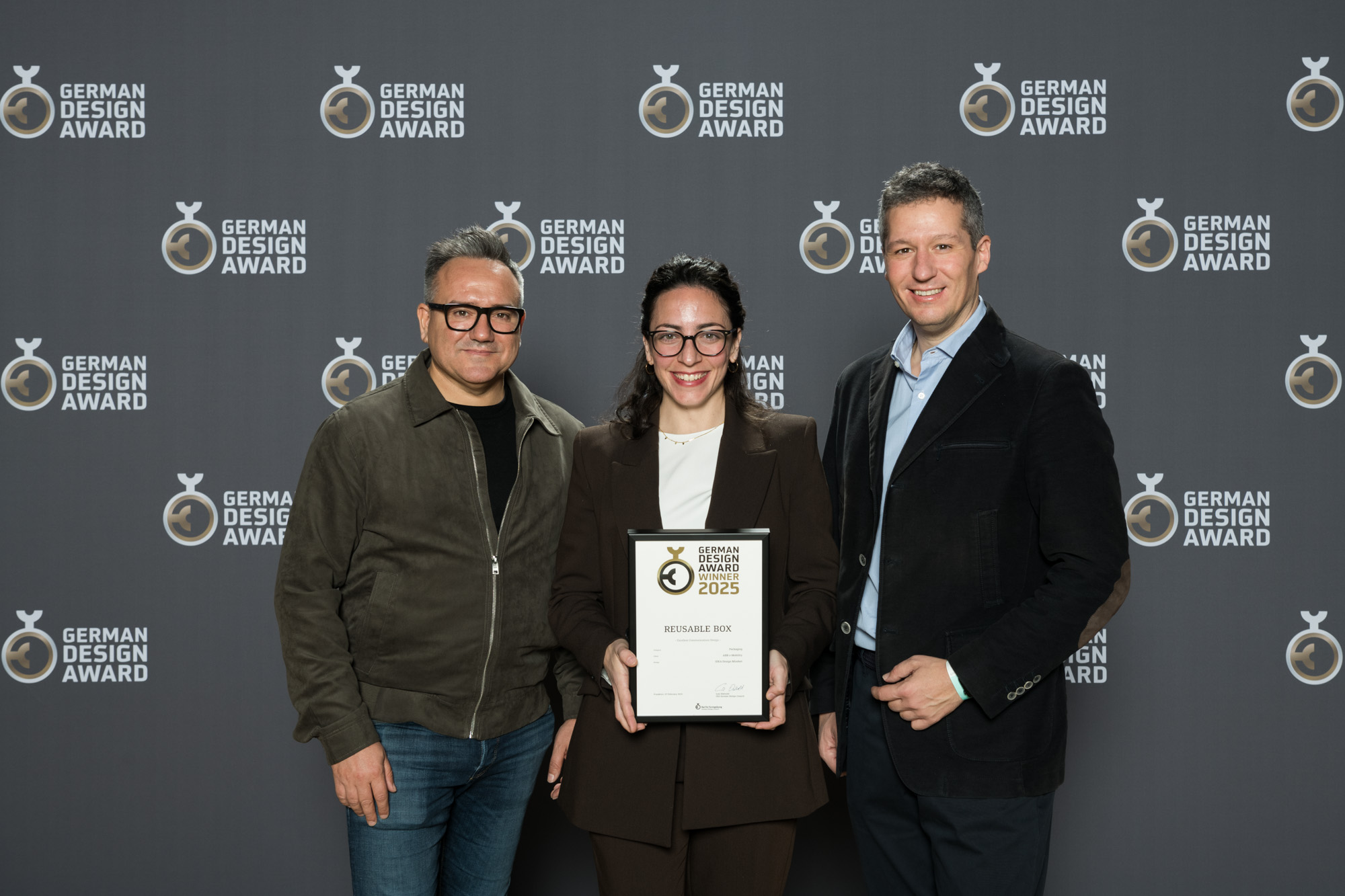
    This year, at IDEA Design, we experienced a milestone in our history: the German Design Award 2024. A recognition that drives us to keep creating innovative and sustainable solutions with real impact.

    The Ceremony: Where Design Design Comes to Life

    Frankfurt. A place where ideas intersect, concepts are challenged, and leading brands shape the future. Being there, surrounded by minds shaping global design, reinforced something essential: design is collaboration, vision, and strategy.

    At the gala, we shared experiences with top industry leaders and engaged in conversations that inspire us to keep pushing boundaries, exploring new territories, and designing with purpose.

    The Award-Winning Project: Designing the Mobility of Tomorrow

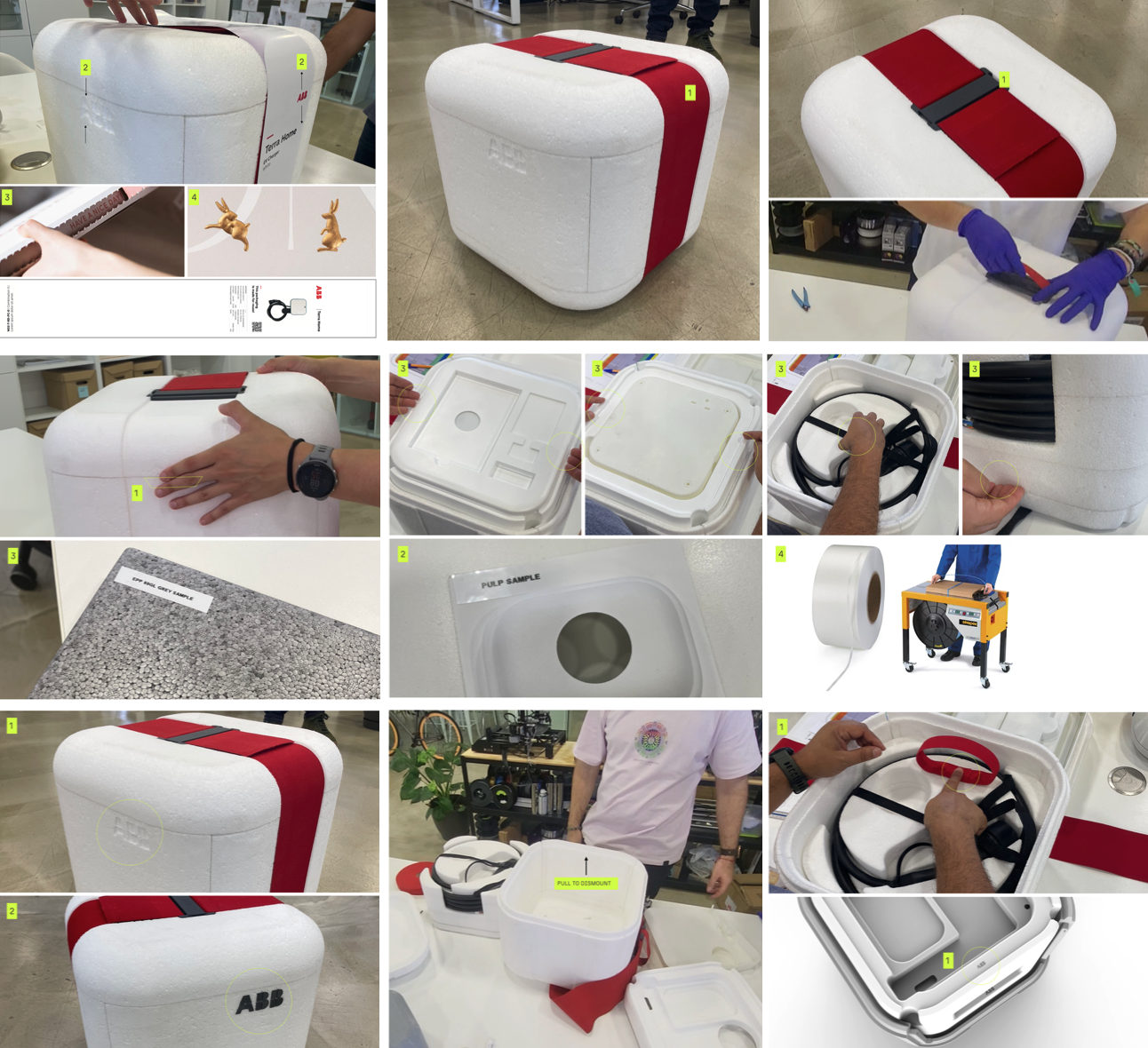
    This recognition was awarded to our packaging for ABB Mobility’s electric vehicle charger. A project where sustainability, usability, and user experience converge into a solution designed to simplify and transform access to electric mobility.

    Beyond the Award: What We Took from Germany

    • Strategic connections: We built valuable relationships with teams who share our vision of design as a driver of change.
    • Global validation: Being recognized by the German Design Council strengthens our international positioning and opens new opportunities.
    • Inspiration for the future: Seeing where design is heading motivates us to keep exploring, questioning, and creating.

    Let’s Keep Designing the Future, Together

    This award is not just a milestone—it’s a push to keep moving forward. At IDEA Design, we believe in the power of design to transform industries, create impact, and improve people’s lives.

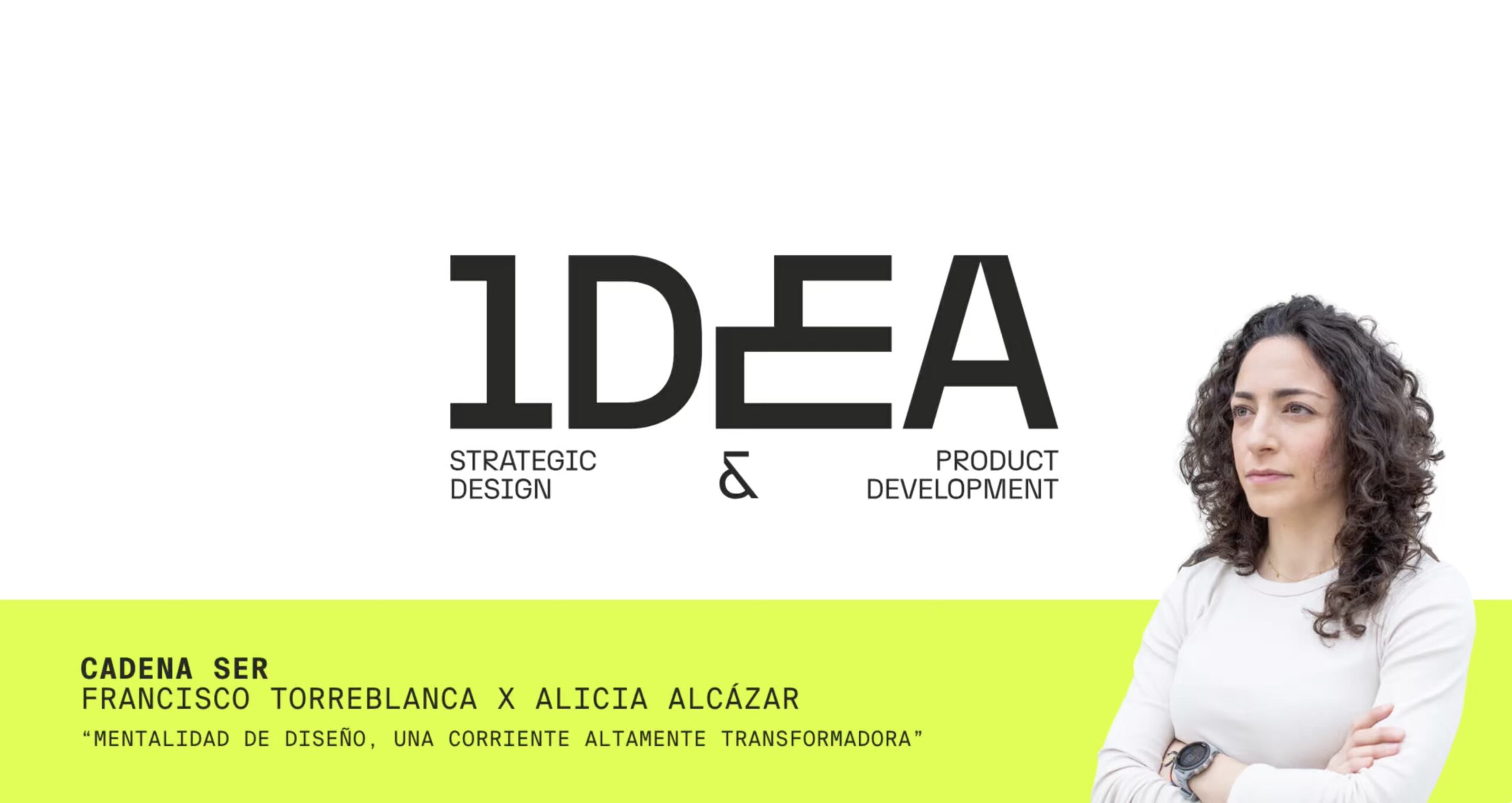
  • Design Mindset in Action: Reflections from the Radio.

    Design Mindset in Action: Reflections from the Radio.

    Not every day do we get the chance to pause and reflect on what we do—and, more importantly, why we do it. At IDEA, we took on the challenge of distilling our essence into just ten minutes of radio. How can we convey who we are, what we do, and the impact we aim to create in such a short time?

    On January 24th, our colleague Alicia Alcázar took this mission to the microphone at Cadena SER. In a candid and authentic conversation, she shared how design can transform ideas into meaningful experiences. More than just a discipline, design is a tool that can reshape realities and improve people’s lives.

    Design Mindset: More Than a Profession, a Way of Thinking

    When we work with a Design Mindset, the lines between work and passion blur. It’s not just about solving problems—it’s about anticipating them, discovering opportunities, and challenging the status quo. We are driven by curiosity, empathy, and the desire to create meaningful innovations.

    Design is a responsibility. Every decision we make impacts the experience of those who interact with our products and services. And the fascinating part? We are not just designers; we are also users. How often have we felt frustrated by a product that doesn’t work as expected? Good design is seamless—it makes life easier without being noticed. If friction is felt, something went wrong in the design process.

    Designing for People, with People

    Recording the radio segment was a live example of how we apply the Design Mindset in any context. From planning to execution, every detail was considered to ensure a smooth experience. Yes, there were nerves, and yes, there were unexpected challenges, but in the end, preparation and authenticity made everything fall into place.

    Design is not just about aesthetics; it’s about impact, functionality, and improving people’s lives. At IDEA Design Mindset, we believe in the transformative power of design. We help our clients discover new possibilities, reimagine their present, and build a future with purpose.

    Design doesn’t just solve problems—it creates opportunities. And you? How do you experience the impact of design in your daily life?


    Listen to the full conversation on Cadena SER here: https://www.youtube.com/watch?v=wnUKvLQUzLQ&t=1s 

  • From 2024 to 2025: The “Ins and Outs” of Strategic Design.

    From 2024 to 2025: The “Ins and Outs” of Strategic Design.

    In November 2024, we co-participated alongside Redflexion in the VI Foro CInteligencia Castellón 2024, organized by the Cámara de Comercio of Castellón. This event brought together experts from various sectors to explore how design, technology, and innovation are transforming international business. Juan Esteban Sánchez, co-founder of IDEA Design, represented the team at this event, where he shared leadership with Anselmo, CEO of Redflexion, during the Networking Creative – SPRINTS session: “Adapting Business for Internationalization.”|The forum reflections confirmed what we already anticipated: design is not just an aesthetic element, but a key tool that emotionally connects with consumers and strengthens the value proposition of brands in international markets.

    Through the discussions and the new methodologies presented, we understand that innovation in design is no longer an option but a necessity to adapt and excel in the global market. So…

    In 2025, what should continue, and what should be left behind in the world of strategic design?


    The “Ins” of 2025:

    -Comprehensive Design: Not just following trends, but anticipating them and aligning them with global goals.

    -Constant Innovation: Design must be both functional and emotionally relevant, becoming a key business tool.

    -Design as a Strategic Asset: Seeing design as an essential part of the international strategy, opening new global opportunities.

    -Evaluating Design Scenarios: Investing intelligently in design and measuring its impact on internationalization.


    The “Outs” of 2025:

    -Reactive Design: Following trends is no longer enough; we must be proactive and visionary.

    -Superficial Design: Design must be functional, not just aesthetic.

    -One-Dimensional Approach: Design must be comprehensive, not just a marketing tool.

    Innovation and New Opportunities for the Future: The Mindset That Will Transform Strategic Design in 2025

    Artificial intelligence and other innovative tools are transforming internationalization. At IDEA Design Mindset, we are committed to new methodologies to anticipate the future and create design solutions that truly connect with consumers.

    2025 is an opportunity to redefine global design. Embrace the Ins and leave the Outs behin

  • Designing for an Icon: Our Experience with the TILE Lamp for MUUTO

    Designing for an Icon: Our Experience with the TILE Lamp for MUUTO

    A Challenge Worth Embracing

    Participating in a design competition for MUUTO, one of the most iconic Scandinavian brands in home product design, has been a unique and enriching experience for our studio. Facing the challenge of creating a piece that aligns with MUUTO’s values and aesthetics pushed us to rethink our approach and explore new ways of blending tradition and modernity in a product.

    Simplicity with Soul

    Scandinavian design is defined by its focus on functionality, simplicity, and a strong connection to nature. Each piece often conveys calm, balance, and understated beauty, with special attention to detail and the use of sustainable materials. Designing within this framework meant embracing the philosophy of “less is more” while maintaining the personality and storytelling of our product.|

    The TILE Challenge: Blending Tradition and Modernity

    The product we developed for the competition was TILE, a lamp designed to be much more than a light source: it’s a statement of design. TILE is crafted from an aluminum body paired with a shade made from natural materials such as ceramic or clay. This combination symbolizes the harmony between artisanal traditions and industrial elegance.

    Modularity and Versatility

    One of TILE’s key features is its ability to adapt to various settings. We designed this piece to transform into:

    • A desk lamp
    • A living room lamp
    • A ceiling lamp
    • A wall lamp

    Its variety of colors — white, blue, red, and green — and materials reinforces its storytelling. Each TILE lamp tells a unique story, blending warmth and durability. It’s a piece that not only illuminates spaces but also transforms them, becoming the focal point of any room.|

    A Process Full of Learning: Shaping a Design Mindset

    Although TILE did not win the competition, we are proud of the result and everything the process has brought us. Designing for such an influential brand as MUUTO allowed us to:

    • Explore new perspectives and methodologies.
    • Face a different kind of challenge that enriched our capabilities.
    • Create a design piece that has become a reference in our portfolio.

    |

    The Value of Participation

    Participating in high-caliber design competitions not only boosts creativity but also positions the studio in a demanding environment and connects us with new audiences. TILE is the tangible result of this journey — a lamp that reflects our passion for design, our adaptability, and our constant drive to innovate.

    Participating in this competition aligned perfectly with our commitment to the Design Mindset, which emphasizes the fusion of creativity, purpose, and user-centered solutions.

    In conclusion, while we didn’t secure first place, we gained something far more valuable: the experience, the learning, and a piece that, for us, is already a winner.


  • Reflections on the Andreu World Furniture Design Competition

    Reflections on the Andreu World Furniture Design Competition

    Design is much more than creating objects; it’s about solving challenges, connecting with people, and shaping the future. Recently, we had the honor of participating in the Andreu World Furniture Design Competition, an experience that allowed us to explore how the Design Mindset can transform ideas into sustainable and innovative solutions.

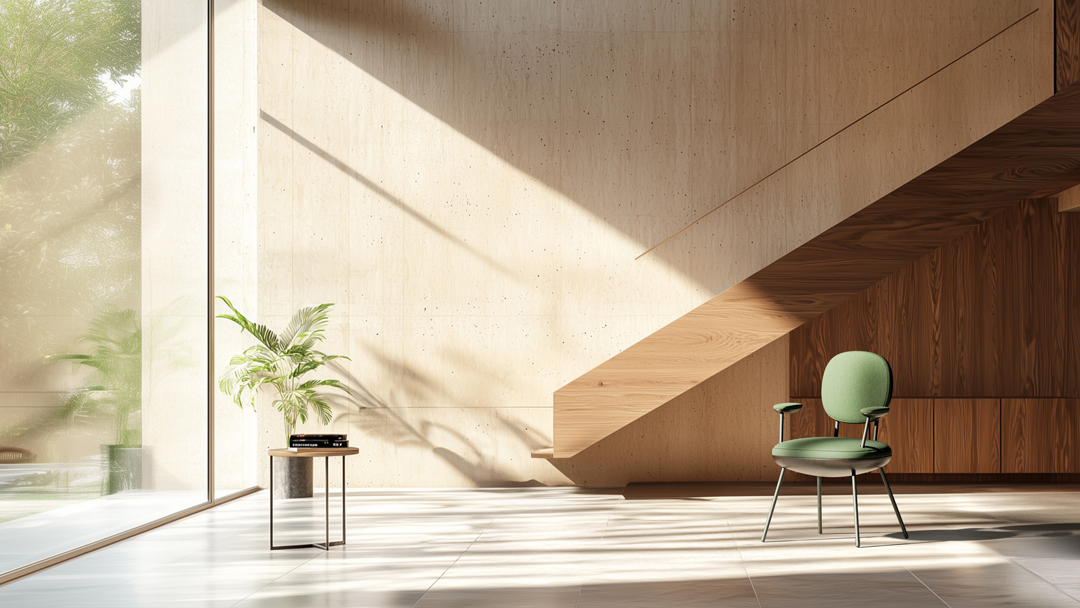
    Our project, an iconic chair inspired by the 1950s, seeks not only to stand out visually but also to contribute to a more responsible design aligned with contemporary challenges.

    Andreu World: A Legacy of Design and Sustainability


    Andreu World, one of the most iconic brands in the world of furniture design, has a history that began over 65 years ago. Founded in 1955 in Valencia, Spain, this company has successfully blended tradition and innovation to create furniture that stands out for both quality and design.

    What truly sets Andreu World apart is its commitment to sustainability. From the selection of certified materials to responsible production processes, their conscious approach to design has set a new standard in the industry. This annual design competition not only celebrates creativity but also the values Andreu World has championed since its inception: innovation, sustainability, and excellence.

    The Influence of the 1950s on Design


    The 1950s were a pivotal moment for design. It was a time marked by recovery after World War II, where innovative materials, functionality, and clean aesthetics played a fundamental role.

    Designers like Charles and Ray Eames, Arne Jacobsen, and Verner Panton defined a style that prioritized simplicity, organic lines, and novel materials like molded plastic and plywood. These ideas became the foundation of what we now know as modern design. Our chair pays homage to this legacy, reinterpreting it through a contemporary lens.|

    Paper Shell: Innovation in Sustainable Materials


    At the heart of our chair lies paper shell, an innovative material made from recycled cardboard. This material is not only lightweight and moldable but also extremely durable, making it a perfect option for furniture applications.

    Being recyclable and biodegradable, paper shell aligns perfectly with our vision of sustainability. Moreover, its flexibility allows for the creation of unique forms that wouldn’t be possible with more traditional materials, adding both aesthetic and functional value to the design.

    A Design That Speaks of Sustainability and Personalization


    Our chair combines the retro aesthetic of the 1950s with functionality tailored to today’s needs. Designed to be modular, repairable, and customizable, it offers a practical and durable solution for those seeking environmentally responsible furniture.

    The Design Mindset was key at every stage of development. From understanding the context to creating a functional prototype, this approach allowed us to transform a concept into an innovative and sustainable proposal.

    A Thank You to Andreu World and a Look to the Future


    Participating in the Andreu World Furniture Design Competition has been an enriching experience that allowed us to reflect on our role as designers. We want to express our sincerest gratitude to the organizers for creating this platform and congratulate the winner and all the finalists. Their talent and creativity inspire us to continue pushing boundaries.

    This experience not only strengthens our commitment to design that connects and transcends but also drives us to keep exploring new possibilities. Because design, like the Design Mindset, has the power to transform not just objects but also the stories we tell and the connections we create.

    Want to know more about how we combine design, sustainability, and innovation? Follow our stories and join us on this journey toward meaningful design.

  • Design That Connects: ABB e-Mobility’s Reusable Box Recognized Internationally

    Design That Connects: ABB e-Mobility’s Reusable Box Recognized Internationally

    Today, we want to share a special story about a project that has taught us valuable lessons and continues to pave the way toward a more sustainable and innovative design. Our Reusable Box, created as a concept for ABB e-Mobility, has been honored with two prestigious international awards:

    • NY Design Award Silver 2024
    • German Design Awards 2025

    But this is more than just recognition for a design. It reflects a collaboration, a process, and a philosophy that guides everything we do: the Design Mindset.


    The Reusable Box: More Than Just Packaging


    The idea behind the Reusable Box was simple: to turn packaging into something that speaks, connects, and remains useful beyond its initial life. This project is an example of how, when design and narrative work together, the result goes beyond functionality.

    From the outset, we approached the design with the goal of communicating values:

    • Sustainability that Tells a Story: Designed with recyclable materials and intended for reuse, this box invites new ways to interact with packaging.
    • Functionality in Motion: Modular and easy to use, its design not only protects the product but also finds new uses in the user’s daily life.
    • Emotional Design: A box that not only transports but connects with people, reflecting the values of ABB e-Mobility.


    A Narrative-Driven Design: The Essence of Design Mindset


    For us, this project was the perfect opportunity to apply one of the key principles of the Design Mindset: “Narrative as a Communication Tool.” Every decision—from materials to modular design—was made with a single goal: to tell a story that connects with people and their values.

    Through this process, we’ve learned that truly meaningful design does not stop at functionality; it goes further, creating experiences that inspire and transform.


    A Shared Recognition


    These awards are not just for us; they are for everyone who shares our vision of design that connects and inspires. This project would not have been possible without the trust and collaboration of ABB e-Mobility, a client who understands that sustainability and innovation are the way forward.

    And they are also for you, who follow our stories and care about how design can change the way we interact with the world.


    The Future Lies in Every Decision


    The Reusable Box is just one more step in our journey toward a design that unites narrative, functionality, and sustainability. But this is not the end. Every project brings us new questions, new ideas, and new challenges that we are eager to share with you.

    Because design is not just about objects. It’s about people, stories, and connections. Thank you for being part of this adventure.

  • From Prototype to Reality: Inspiring at the University of Murcia

    From Prototype to Reality: Inspiring at the University of Murcia

    Our colleagues Ezequiel and Alicia had the opportunity to share our passion for design and prototyping in a talk titled “From Prototype to Reality” at the University of Murcia. During this session, we delved into the world of prototypes, showcasing how they are the bridge between an idea and its realization.

    The interest of the attendees was palpable from the very beginning. They didn’t just want to listen; they wanted to understand, touch, and explore. And for us, that’s pure magic. It’s the essence of the Design Mindset, where every interaction becomes an opportunity to learn, create, and connect.


    Prototyping: Exploration and Validation at Every Stage


    One of the key points of the talk was demonstrating how prototyping accompanies us through every stage of the design process. From sketches to digital or physical models, prototypes are not just tools; they are true catalysts of innovation.

    We explained the types of prototypes we use and how they align with specific stages of development:

    • EVT (Engineering Validation Test): We validate technical and functional aspects, ensuring that the product meets initial requirements.
    • DVT (Design Validation Test): We explore and refine the design, testing how it performs under real conditions and adjusting critical details.
    • PVT (Production Validation Test): We prepare for mass production, ensuring each piece meets quality standards and is ready for the market.

    Each of these phases reflects the principle “Prototyping as a Learning Tool,” where we test, fail, and learn quickly to turn abstract ideas into tangible realities.


    The Heart of Our Methodology: Design Mindset


    In the talk, we contextualized the attendees within our work methodology, which is based on three pillars: understand, create, and build. We showed them how we tackle any challenge, from creating a minimum viable product (MVP) to capture investors’ interest to preliminary prototypes that allow us to explore volumetrics, logistics, or certifications.

    But the value of prototypes doesn’t stop at their functionality. The real importance lies in something much deeper: aligning expectations with the client and connecting with the end user. Every prototype is a step toward solving real problems and creating something that transcends.|

    The Magic of Sharing and Learning


    What we take away most from this experience is the enthusiasm of the attendees. Seeing their eyes light up with curiosity and a desire to learn more was a reminder of the impact sharing our work can have.

    At IDEA Design Mindset, we don’t just design; we tell stories. Stories that start with a challenge and end with a solution that connects with people. That passion drives us to keep creating, exploring, and surprising.

    Because design, like prototyping, is a powerful tool for managing complexity, simplifying without losing depth, and building bridges between the abstract and the tangible.

    Thank You for Being Part of This Story


    Sharing our experience at the University of Murcia not only allowed us to inspire others but also reminded us why we do what we do. Because design isn’t just a job; it’s our way of writing the future.

    And, of course, none of this would be possible without a team like ours, full of creative minds, restless hands, and hearts that beat for design.

    Design Mindset is much more than a concept; it’s the framework that gives meaning to everything we do.