Blog

  • From 2024 to 2025: The “Ins and Outs” of Strategic Design.

    From 2024 to 2025: The “Ins and Outs” of Strategic Design.

    In November 2024, we co-participated alongside Redflexion in the VI Foro CInteligencia Castellón 2024, organized by the Cámara de Comercio of Castellón. This event brought together experts from various sectors to explore how design, technology, and innovation are transforming international business. Juan Esteban Sánchez, co-founder of IDEA Design, represented the team at this event, where he shared leadership with Anselmo, CEO of Redflexion, during the Networking Creative – SPRINTS session: “Adapting Business for Internationalization.”|The forum reflections confirmed what we already anticipated: design is not just an aesthetic element, but a key tool that emotionally connects with consumers and strengthens the value proposition of brands in international markets.

    Through the discussions and the new methodologies presented, we understand that innovation in design is no longer an option but a necessity to adapt and excel in the global market. So…

    In 2025, what should continue, and what should be left behind in the world of strategic design?


    The “Ins” of 2025:

    -Comprehensive Design: Not just following trends, but anticipating them and aligning them with global goals.

    -Constant Innovation: Design must be both functional and emotionally relevant, becoming a key business tool.

    -Design as a Strategic Asset: Seeing design as an essential part of the international strategy, opening new global opportunities.

    -Evaluating Design Scenarios: Investing intelligently in design and measuring its impact on internationalization.


    The “Outs” of 2025:

    -Reactive Design: Following trends is no longer enough; we must be proactive and visionary.

    -Superficial Design: Design must be functional, not just aesthetic.

    -One-Dimensional Approach: Design must be comprehensive, not just a marketing tool.

    Innovation and New Opportunities for the Future: The Mindset That Will Transform Strategic Design in 2025

    Artificial intelligence and other innovative tools are transforming internationalization. At IDEA Design Mindset, we are committed to new methodologies to anticipate the future and create design solutions that truly connect with consumers.

    2025 is an opportunity to redefine global design. Embrace the Ins and leave the Outs behin

  • Designing for an Icon: Our Experience with the TILE Lamp for MUUTO

    Designing for an Icon: Our Experience with the TILE Lamp for MUUTO

    A Challenge Worth Embracing

    Participating in a design competition for MUUTO, one of the most iconic Scandinavian brands in home product design, has been a unique and enriching experience for our studio. Facing the challenge of creating a piece that aligns with MUUTO’s values and aesthetics pushed us to rethink our approach and explore new ways of blending tradition and modernity in a product.

    Simplicity with Soul

    Scandinavian design is defined by its focus on functionality, simplicity, and a strong connection to nature. Each piece often conveys calm, balance, and understated beauty, with special attention to detail and the use of sustainable materials. Designing within this framework meant embracing the philosophy of “less is more” while maintaining the personality and storytelling of our product.|

    The TILE Challenge: Blending Tradition and Modernity

    The product we developed for the competition was TILE, a lamp designed to be much more than a light source: it’s a statement of design. TILE is crafted from an aluminum body paired with a shade made from natural materials such as ceramic or clay. This combination symbolizes the harmony between artisanal traditions and industrial elegance.

    Modularity and Versatility

    One of TILE’s key features is its ability to adapt to various settings. We designed this piece to transform into:

    • A desk lamp
    • A living room lamp
    • A ceiling lamp
    • A wall lamp

    Its variety of colors — white, blue, red, and green — and materials reinforces its storytelling. Each TILE lamp tells a unique story, blending warmth and durability. It’s a piece that not only illuminates spaces but also transforms them, becoming the focal point of any room.|

    A Process Full of Learning: Shaping a Design Mindset

    Although TILE did not win the competition, we are proud of the result and everything the process has brought us. Designing for such an influential brand as MUUTO allowed us to:

    • Explore new perspectives and methodologies.
    • Face a different kind of challenge that enriched our capabilities.
    • Create a design piece that has become a reference in our portfolio.

    |

    The Value of Participation

    Participating in high-caliber design competitions not only boosts creativity but also positions the studio in a demanding environment and connects us with new audiences. TILE is the tangible result of this journey — a lamp that reflects our passion for design, our adaptability, and our constant drive to innovate.

    Participating in this competition aligned perfectly with our commitment to the Design Mindset, which emphasizes the fusion of creativity, purpose, and user-centered solutions.

    In conclusion, while we didn’t secure first place, we gained something far more valuable: the experience, the learning, and a piece that, for us, is already a winner.


  • Reflections on the Andreu World Furniture Design Competition

    Reflections on the Andreu World Furniture Design Competition

    Design is much more than creating objects; it’s about solving challenges, connecting with people, and shaping the future. Recently, we had the honor of participating in the Andreu World Furniture Design Competition, an experience that allowed us to explore how the Design Mindset can transform ideas into sustainable and innovative solutions.

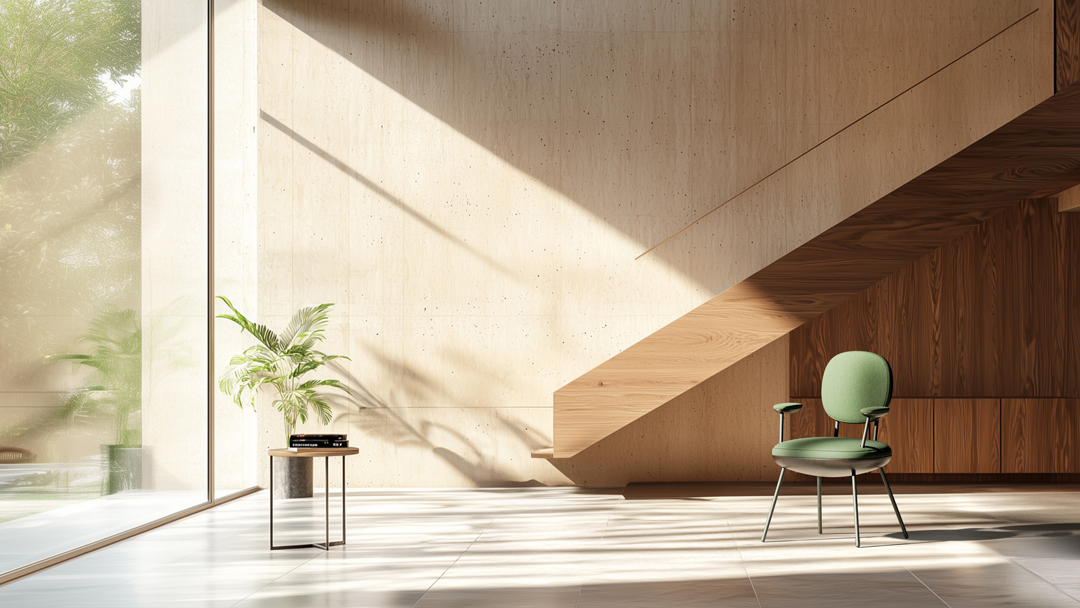
    Our project, an iconic chair inspired by the 1950s, seeks not only to stand out visually but also to contribute to a more responsible design aligned with contemporary challenges.

    Andreu World: A Legacy of Design and Sustainability


    Andreu World, one of the most iconic brands in the world of furniture design, has a history that began over 65 years ago. Founded in 1955 in Valencia, Spain, this company has successfully blended tradition and innovation to create furniture that stands out for both quality and design.

    What truly sets Andreu World apart is its commitment to sustainability. From the selection of certified materials to responsible production processes, their conscious approach to design has set a new standard in the industry. This annual design competition not only celebrates creativity but also the values Andreu World has championed since its inception: innovation, sustainability, and excellence.

    The Influence of the 1950s on Design


    The 1950s were a pivotal moment for design. It was a time marked by recovery after World War II, where innovative materials, functionality, and clean aesthetics played a fundamental role.

    Designers like Charles and Ray Eames, Arne Jacobsen, and Verner Panton defined a style that prioritized simplicity, organic lines, and novel materials like molded plastic and plywood. These ideas became the foundation of what we now know as modern design. Our chair pays homage to this legacy, reinterpreting it through a contemporary lens.|

    Paper Shell: Innovation in Sustainable Materials


    At the heart of our chair lies paper shell, an innovative material made from recycled cardboard. This material is not only lightweight and moldable but also extremely durable, making it a perfect option for furniture applications.

    Being recyclable and biodegradable, paper shell aligns perfectly with our vision of sustainability. Moreover, its flexibility allows for the creation of unique forms that wouldn’t be possible with more traditional materials, adding both aesthetic and functional value to the design.

    A Design That Speaks of Sustainability and Personalization


    Our chair combines the retro aesthetic of the 1950s with functionality tailored to today’s needs. Designed to be modular, repairable, and customizable, it offers a practical and durable solution for those seeking environmentally responsible furniture.

    The Design Mindset was key at every stage of development. From understanding the context to creating a functional prototype, this approach allowed us to transform a concept into an innovative and sustainable proposal.

    A Thank You to Andreu World and a Look to the Future


    Participating in the Andreu World Furniture Design Competition has been an enriching experience that allowed us to reflect on our role as designers. We want to express our sincerest gratitude to the organizers for creating this platform and congratulate the winner and all the finalists. Their talent and creativity inspire us to continue pushing boundaries.

    This experience not only strengthens our commitment to design that connects and transcends but also drives us to keep exploring new possibilities. Because design, like the Design Mindset, has the power to transform not just objects but also the stories we tell and the connections we create.

    Want to know more about how we combine design, sustainability, and innovation? Follow our stories and join us on this journey toward meaningful design.

  • Design That Connects: ABB e-Mobility’s Reusable Box Recognized Internationally

    Design That Connects: ABB e-Mobility’s Reusable Box Recognized Internationally

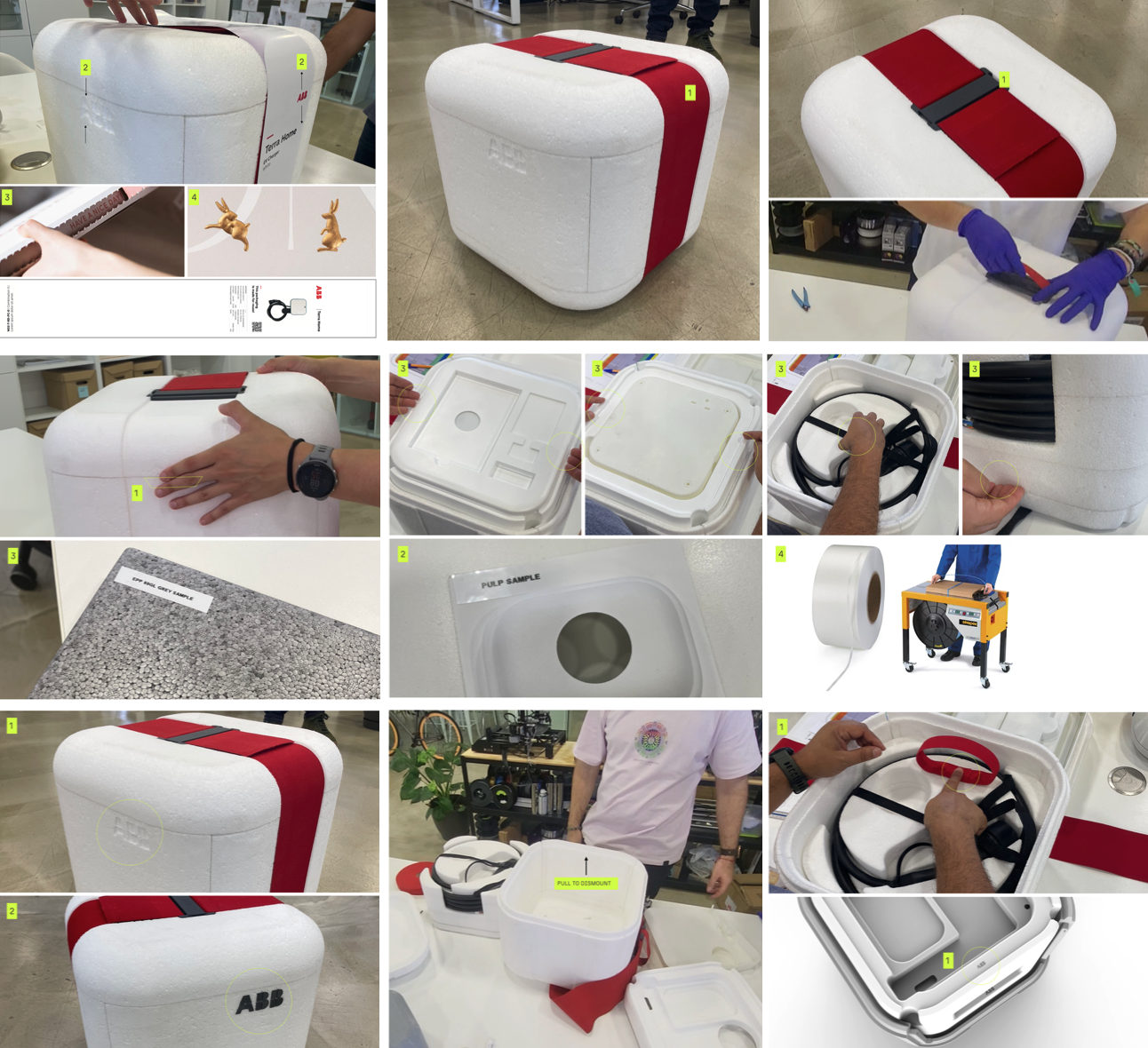
    Today, we want to share a special story about a project that has taught us valuable lessons and continues to pave the way toward a more sustainable and innovative design. Our Reusable Box, created as a concept for ABB e-Mobility, has been honored with two prestigious international awards:

    • NY Design Award Silver 2024
    • German Design Awards 2025

    But this is more than just recognition for a design. It reflects a collaboration, a process, and a philosophy that guides everything we do: the Design Mindset.


    The Reusable Box: More Than Just Packaging


    The idea behind the Reusable Box was simple: to turn packaging into something that speaks, connects, and remains useful beyond its initial life. This project is an example of how, when design and narrative work together, the result goes beyond functionality.

    From the outset, we approached the design with the goal of communicating values:

    • Sustainability that Tells a Story: Designed with recyclable materials and intended for reuse, this box invites new ways to interact with packaging.
    • Functionality in Motion: Modular and easy to use, its design not only protects the product but also finds new uses in the user’s daily life.
    • Emotional Design: A box that not only transports but connects with people, reflecting the values of ABB e-Mobility.


    A Narrative-Driven Design: The Essence of Design Mindset


    For us, this project was the perfect opportunity to apply one of the key principles of the Design Mindset: “Narrative as a Communication Tool.” Every decision—from materials to modular design—was made with a single goal: to tell a story that connects with people and their values.

    Through this process, we’ve learned that truly meaningful design does not stop at functionality; it goes further, creating experiences that inspire and transform.


    A Shared Recognition


    These awards are not just for us; they are for everyone who shares our vision of design that connects and inspires. This project would not have been possible without the trust and collaboration of ABB e-Mobility, a client who understands that sustainability and innovation are the way forward.

    And they are also for you, who follow our stories and care about how design can change the way we interact with the world.


    The Future Lies in Every Decision


    The Reusable Box is just one more step in our journey toward a design that unites narrative, functionality, and sustainability. But this is not the end. Every project brings us new questions, new ideas, and new challenges that we are eager to share with you.

    Because design is not just about objects. It’s about people, stories, and connections. Thank you for being part of this adventure.

  • From Prototype to Reality: Inspiring at the University of Murcia

    From Prototype to Reality: Inspiring at the University of Murcia

    Our colleagues Ezequiel and Alicia had the opportunity to share our passion for design and prototyping in a talk titled “From Prototype to Reality” at the University of Murcia. During this session, we delved into the world of prototypes, showcasing how they are the bridge between an idea and its realization.

    The interest of the attendees was palpable from the very beginning. They didn’t just want to listen; they wanted to understand, touch, and explore. And for us, that’s pure magic. It’s the essence of the Design Mindset, where every interaction becomes an opportunity to learn, create, and connect.


    Prototyping: Exploration and Validation at Every Stage


    One of the key points of the talk was demonstrating how prototyping accompanies us through every stage of the design process. From sketches to digital or physical models, prototypes are not just tools; they are true catalysts of innovation.

    We explained the types of prototypes we use and how they align with specific stages of development:

    • EVT (Engineering Validation Test): We validate technical and functional aspects, ensuring that the product meets initial requirements.
    • DVT (Design Validation Test): We explore and refine the design, testing how it performs under real conditions and adjusting critical details.
    • PVT (Production Validation Test): We prepare for mass production, ensuring each piece meets quality standards and is ready for the market.

    Each of these phases reflects the principle “Prototyping as a Learning Tool,” where we test, fail, and learn quickly to turn abstract ideas into tangible realities.


    The Heart of Our Methodology: Design Mindset


    In the talk, we contextualized the attendees within our work methodology, which is based on three pillars: understand, create, and build. We showed them how we tackle any challenge, from creating a minimum viable product (MVP) to capture investors’ interest to preliminary prototypes that allow us to explore volumetrics, logistics, or certifications.

    But the value of prototypes doesn’t stop at their functionality. The real importance lies in something much deeper: aligning expectations with the client and connecting with the end user. Every prototype is a step toward solving real problems and creating something that transcends.|

    The Magic of Sharing and Learning


    What we take away most from this experience is the enthusiasm of the attendees. Seeing their eyes light up with curiosity and a desire to learn more was a reminder of the impact sharing our work can have.

    At IDEA Design Mindset, we don’t just design; we tell stories. Stories that start with a challenge and end with a solution that connects with people. That passion drives us to keep creating, exploring, and surprising.

    Because design, like prototyping, is a powerful tool for managing complexity, simplifying without losing depth, and building bridges between the abstract and the tangible.

    Thank You for Being Part of This Story


    Sharing our experience at the University of Murcia not only allowed us to inspire others but also reminded us why we do what we do. Because design isn’t just a job; it’s our way of writing the future.

    And, of course, none of this would be possible without a team like ours, full of creative minds, restless hands, and hearts that beat for design.

    Design Mindset is much more than a concept; it’s the framework that gives meaning to everything we do.

  • Design Mindset: Designing Solutions that Transform the World

    Design Mindset: Designing Solutions that Transform the World

    The Design Mindset is much more than a methodology. It is a way of thinking that drives teams to see opportunities where others only see problems. In our company, we embrace it as the core of our philosophy, guiding every decision and project we undertake.

    It represents a mindset that places the human being at the center of design, combining creativity, critical analysis, and deep empathy for users. It inspires us to seek innovative solutions that address current problems while anticipating future needs. It is an approach that challenges us to think big and act with precision.

    In our daily practice, this means constantly asking ourselves: How can we improve people’s lives? The answers are not always complex or massive. Sometimes, a small adjustment can make a big difference.

    Designing for Impact: Small and Large Solutions Under the Prism of Design Mindset


    Its power lies in the ability to tackle challenges of all scales. From products that simplify daily life to global solutions that redefine industries, every design is born from the same premise: generating positive impact.

    Design focuses not only on functionality but also on responsibility. Sustainability is a continuous process, a journey where every step matters. This is why we aim to design products that meet high-quality standards while respecting the environment.

    From choosing recyclable materials to implementing more efficient production processes, every decision contributes to caring for the planet. It’s not about finding the perfect solution. The key is to pursue constant improvement to create a more responsible future.

    Designers as Solution Seekers


    Thanks to the Design Mindset, our team has embraced the role of solution seekers. Each member brings their creativity and expertise to turn challenges into opportunities. This mindset allows us to approach projects with a unique perspective, where ideas have no limits and every problem is an invitation to innovate.

    We firmly believe that design has the power to transform the world, and we feel privileged to be part of this change. From unique and customized solutions to globally impactful proposals, every design we develop carries our essence. This essence is based on improving people’s lives, caring for the planet, and moving forward together toward a better future.

  • Design Mindset: Transforming Ideas for a Culture of Innovation

    Design Mindset: Transforming Ideas for a Culture of Innovation

    The Design Mindset is much more than a methodology

    It is a way of thinking that integrates empathy, creativity, and problem-solving with a deeply human focus. This concept is based on the premise that design is not limited to creating visually appealing objects but to solving real problems and adding value to people’s lives.

    Adopting a Design Mindset means looking beyond the obvious, questioning the status quo, and addressing challenges from multiple perspectives. This approach is key to transforming abstract ideas into tangible, innovative products that make a real impact on the market.

    How the Design Mindset transforms ideas into impactful realities


    This concept acts as a generator of initial concepts that evolve into viable solutions. This process includes three fundamental pillars:

    • Deep empathy with the user: Putting oneself in the shoes of the end user is essential to understanding their needs, desires, and frustrations. This knowledge drives the creation of products that truly solve problems.
    • Unrestrained creativity: The Design Mindset fosters an environment where creativity flows freely, enabling the exploration of disruptive ideas and challenging conventional design limits.
    • Constant iteration: Adopting an iterative approach allows for experimentation, learning from mistakes, and refining solutions to achieve exceptional results.

    Beyond products, the Design Mindset has the power to transform internal culture

    It promotes interdisciplinary collaboration, where designers, engineers, and strategists work as a cohesive team. This enhances the quality of design, strengthening the organization’s identity and values.

    Furthermore, it fosters a mindset of continuous learning and adaptability, essential qualities in an environment where consumer trends and demands change rapidly.

    Companies that adopt this strategic approach can develop innovative products while building brands that stand out in a competitive market. This approach allows them to differentiate themselves by offering solutions that exceed expectations.

    Ultimately, the Design Mindset becomes a transformative element that materializes ideas and establishes an emotional connection with users, fostering loyalty and trust in the brand.

    Undoubtedly, this is an approach that revolutionizes the way of designing, provoking an organizational culture that inspires, motivates, and transforms. In a world where innovation is the key to success, it is the compass that guides companies toward a future full of limitless possibilities.

  • Design Mindset: The DNA of Strategic Product Development

    Design Mindset: The DNA of Strategic Product Development

    A Framework for Purpose-Driven Innovation.

    The ability to effectively solve complex problems is not just a desirable skill—it’s a necessity. This is where the concept of Design Mindset comes into play. This approach guides creativity and channels it toward strategic, human-centered solutions.

    What is Design Mindset?

    It’s an approach that integrates problem-solving, critical thinking, and empathy to create relevant solutions. Adopting this mindset means evolving from simply executing ideas to becoming strategic partners who understand and anticipate user needs.

    This mindset is built on the recognition that complex problems require a combination of rigorous analysis and disruptive creativity.

    Adopting the Design Mindset represents a cultural transformation. It fosters an openness to continuous learning, provides tools for interdisciplinary collaboration, and establishes metrics that value both creativity and practical outcomes.

    In a context where differentiation is key, adopting the Design Mindset paves the way to design experiences and solutions that create deep connections with people.

    The 11 Pillars of Design Mindset

    1. PERCEPTION AS A STARTING POINT

    Design begins with the ability to observe and interpret patterns. The goal is to identify connections and nuances that others might overlook, uncovering hidden opportunities for innovation.

    2. MANAGING COMPLEXITY

    Complex problems are not solved by removing variables but by finding ways to navigate through them. This pillar emphasizes the importance of simplifying without compromising functionality.

    3. A SENSE OF PROGRESSION

    Good design doesn’t happen by chance. The process requires iterations, continuous learning, and adjustments based on data, intuition, and experience.

    4. OPEN EXPLORATION

    Curiosity is essential. This pillar encourages actively seeking new possibilities before committing to a specific solution.

    5. ABDUCTIVE THINKING

    Beyond logical thinking, the Design Mindset relies on creativity to imagine solutions that don’t yet exist but could be possible.

    6. PROTOTYPING AS A LEARNING TOOL

    Testing, failing, and learning quickly. Prototypes are tools that not only validate ideas but also inspire new realities.

    7. EVIDENCE-BASED WORK

    While creativity is key, decisions must be backed by solid data and tangible evidence that supports the design direction.

    8. INTERDISCIPLINARY COLLABORATION

    Design doesn’t happen in isolation. This pillar highlights the importance of integrating perspectives from different disciplines to enrich the creative process.

    9. ACTIVE EMPATHY

    Deeply understanding the needs, desires, and limitations of the end user is at the heart of meaningful design.

    10. NARRATIVE AS A COMMUNICATION TOOL

    Good design tells a story. This pillar emphasizes the ability to convey complex ideas and concepts in a clear and compelling way.

    11. RESILIENCE IN THE FACE OF UNCERTAINTY

    The design process is filled with uncertainties. The Design Mindset acknowledges this reality and uses it as an opportunity to innovate.

    This is how we believe in the transformative power of design.

  • Exploring the Power of Design at the BIG SEE Awards 2024

    Exploring the Power of Design at the BIG SEE Awards 2024

    Innovation: Transforming Ideas into Realities That Connect with People

    Innovation has the power to transform ideas into realities that connect with people. This principle, which guides our approach through the Design Mindset, was present in every detail of our participation at the BIG SEE Design Awards, held in Ljubljana. This event was not only a space to celebrate design but also an opportunity to reflect on how our work impacts users and generates real, sustainable, and meaningful solutions.|

    Celebrating MAKI: User-Centered Design

    One of the most memorable moments was presenting MAKI, our outdoor furniture piece, which was recognized with the prestigious BIG SEE Product Design Award. This project exemplifies how the Design Mindset enables us to solve complex problems by combining creativity and empathy, always placing the user at the center of the process.|

    How Design Generates Positive Impact

    During the event, we had the opportunity to share our vision of design and how it can transform not just products but also organizational cultures. Adopting the Design Mindset means going beyond the obvious, exploring new perspectives to foster innovation, and creating solutions that resonate with people’s lives. In MAKI, this translates into a functional, aesthetically appealing, and environmentally responsible design that positively impacts both users and the planet.|

    The Importance of Sustainability in Design

    A key aspect of our work is integrating sustainability as an essential part of every project. This not only involves choosing recyclable materials but also adopting a mindset of continuous improvement to reduce environmental impact. With MAKI, we have demonstrated that design can be both responsible and inspiring.

    The Power of Interdisciplinary Collaboration

    Participating in the BIG SEE Design Awards also served as a reminder of the importance of working together. Through interdisciplinary collaboration, designers, engineers, and strategists combine their expertise to create solutions that go beyond functionality, generating emotional impact and strengthening the identity of the brands we work with.|

    Thank You for Being Part of This Story

    We want to express our heartfelt thanks to our team for their dedication and to everyone who has supported us on this journey. This recognition reflects what the Design Mindset can achieve: transforming creativity into innovation and ideas into real solutions.

    We return home with renewed energy and the motivation to keep exploring new opportunities, always guided by our passion for design. 🌟

  • Do you know our colleagues of Gràffica Info?

    Do you know our colleagues of Gràffica Info?

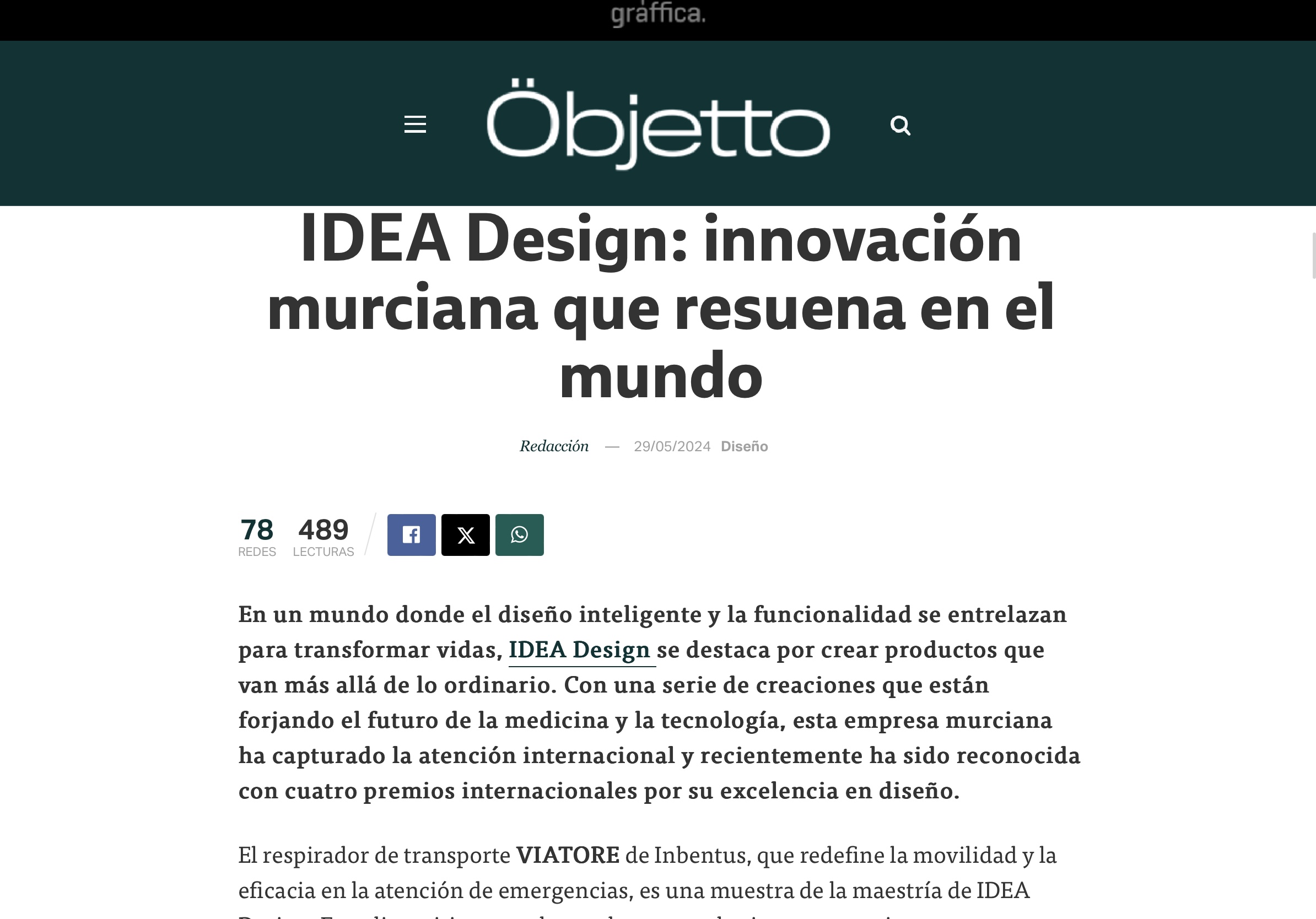
    We are thrilled to share the fruits of our fruitful collaboration with the team at Gràffica Info, a key reference in the world of graphic design. Since our initial encounters at the PENTAWARDS 2022, we have built a strong connection that has enriched our creative journey. This collaboration has undoubtedly been one of the highlights of our year.

    Throughout our partnership, we have shared ideas, explored new trends, and pushed the boundaries of contemporary graphic design. Thanks to this synergy, we have driven innovation and explored new frontiers in our field.

    Gràffica Info has kindly highlighted some of our most significant achievements of this year on their prestigious website. This gesture not only acknowledges our joint work but also underscores the importance of mutual support within the design community. We are honored to share our journey with such an engaged audience.|For us, this collaboration is about more than meeting business objectives. It is about nurturing meaningful connections, inspiring each other, and contributing to the growth of the creative community. We believe in the power of collaboration to drive innovation and progress in design.

    Let’s toast to more creative collaborations that push boundaries and more opportunities to celebrate collective achievements. Together, we are shaping the future of design, and we are excited to continue this journey with our valued partners at Gràffica Info and beyond. Here’s to creativity and collaboration!