Blog

  • Design Mindset: El ADN del desarrollo estratégico de producto

    Design Mindset: El ADN del desarrollo estratégico de producto

    Un marco para la innovación impulsada por un propósito.

    La capacidad de resolver eficazmente problemas complejos no es solo una habilidad deseable, es una necesidad. Aquí es donde entra en juego el concepto de Design Mindset. Este enfoque guía la creatividad y la canaliza hacia soluciones estratégicas centradas en las personas.

    ¿Qué es Design Mindset?

    Es un enfoque que integra la resolución de problemas, el pensamiento crítico y la empatía para crear soluciones relevantes. Adoptar este mindset significa evolucionar de la simple ejecución de ideas a convertirse en socios estratégicos capaces de comprender y anticipar las necesidades de los usuarios.

    Este mindset se basa en el reconocimiento de que los problemas complejos requieren una combinación de análisis riguroso y creatividad disruptiva.

    Adoptar el Design Mindset representa una transformación cultural. Fomenta la apertura al aprendizaje continuo, proporciona herramientas para la colaboración interdisciplinar y establece métricas que valoran tanto la creatividad como los resultados prácticos.

    En un contexto donde la diferenciación es clave, adoptar el Design Mindset abre el camino para diseñar experiencias y soluciones que generen conexiones profundas con las personas.

    Los 11 pilares del Design Mindset

    1. LA PERCEPCIÓN COMO PUNTO DE PARTIDA

    El diseño comienza con la capacidad de observar e interpretar patrones. El objetivo es identificar conexiones y matices que otros podrían pasar por alto, descubriendo oportunidades ocultas para la innovación.

    2. GESTIÓN DE LA COMPLEJIDAD

    Los problemas complejos no se resuelven eliminando variables, sino encontrando maneras de navegar a través de ellas. Este pilar enfatiza la importancia de simplificar sin comprometer la funcionalidad.

    3. SENTIDO DE PROGRESO

    El buen diseño no ocurre por casualidad. El proceso requiere iteraciones, aprendizaje continuo y ajustes basados en datos, intuición y experiencia.

    4. EXPLORACIÓN ABIERTA

    La curiosidad es esencial. Este pilar fomenta la búsqueda activa de nuevas posibilidades antes de comprometerse con una solución específica.

    5. PENSAMIENTO ABDUCTIVO

    Más allá del pensamiento lógico, el Design Mindset se apoya en la creatividad para imaginar soluciones que aún no existen, pero que podrían llegar a ser posibles.

    6. EL PROTOTIPADO COMO HERRAMIENTA DE APRENDIZAJE

    Probar, fallar y aprender rápido. Los prototipos son herramientas que no solo validan ideas, sino que también inspiran nuevas realidades.

    7. TRABAJO BASADO EN EVIDENCIA

    Aunque la creatividad es clave, las decisiones deben estar respaldadas por datos sólidos y evidencias tangibles que sustenten la dirección del diseño.

    8. COLABORACIÓN INTERDISCIPLINAR

    El diseño no ocurre en aislamiento. Este pilar destaca la importancia de integrar perspectivas de distintas disciplinas para enriquecer el proceso creativo.

    9. EMPATÍA ACTIVA

    Comprender profundamente las necesidades, deseos y limitaciones del usuario final está en el corazón de un diseño con verdadero significado.

    10. LA NARRATIVA COMO HERRAMIENTA DE COMUNICACIÓN

    El buen diseño cuenta una historia. Este pilar enfatiza la capacidad de transmitir ideas y conceptos complejos de manera clara y convincente.

    11. RESILIENCIA FRENTE A LA INCERTIDUMBRE

    El proceso de diseño está lleno de incertidumbres. El Design Mindset reconoce esta realidad y la utiliza como una oportunidad para innovar.

    Así es como creemos en el poder transformador del diseño.

  • Design Mindset: El ADN del desarrollo estratégico de productos

    Design Mindset: El ADN del desarrollo estratégico de productos

    Un marco para la innovación con propósito.

    La capacidad de resolver problemas complejos de manera efectiva no es solo una habilidad deseable, sino una necesidad. Aquí es donde entra en juego el concepto Design Mindset. Este enfoque guía la creatividad y la orienta hacia soluciones estratégicas centradas en las personas. 

    ¿Qué es el Design Mindset?


    Es un planteamiento que integra la resolución de problemas, el pensamiento crítico y la empatía para crear soluciones relevantes. Adoptar este enfoque significa evolucionar de ser simples ejecutores de ideas a convertirse en socios estratégicos que comprenden y anticipan las necesidades del usuario.

    Este mindset se basa en reconocer que los problemas complejos requieren una combinación de análisis riguroso y creatividad disruptiva. 

    Adoptar el Design Mindset representa una transformación cultural. Fomenta una mentalidad abierta al aprendizaje continuo, proporciona herramientas para la colaboración interdisciplinaria y establece métricas que valoren tanto la creatividad como los resultados prácticos.

    En un contexto donde la diferenciación es clave, adoptar el enfoque Design Mindset prepara el camino para diseñar experiencias y soluciones que generan vínculos profundos con las personas.|

    Los 11 pilares del Design Mindset


    1. PERCEPCIÓN COMO PUNTO DE PARTIDA

    El diseño comienza con la capacidad de observar e interpretar patrones. La idea es identificar conexiones y matices que otros pueden pasar por alto, descubriendo oportunidades ocultas para innovar.


    2. GESTIÓN DE LA COMPLEJIDAD

    Los problemas complejos no se resuelven eliminando variables, sino encontrando formas de navegar a través de ellas. Este pilar subraya la importancia de simplificar sin comprometer la funcionalidad.


    3. SENTIDO DE PROGRESIÓN

    Un buen diseño no sucede por casualidad. El proceso requiere iteraciones, aprendizajes continuos y ajustes basados en datos, intuición y experiencia.


    4. EXPLORACIÓN ABIERTA

    La curiosidad es esencial. Este pilar fomenta la búsqueda activa de nuevas posibilidades antes de comprometerse con una solución específica.


    5. PENSAMIENTO ABDUCTIVO

    Más allá del pensamiento lógico, el Design Mindset se apoya en la creatividad para imaginar soluciones que aún no existen, pero que pueden ser posibles.


    6. PROTOTIPADO COMO MÉTODO DE APRENDIZAJE

    Probar, fallar y aprender rápido. Los prototipos son herramientas que no solo validan ideas, sino que también inspiran nuevas realidades.


    7. TRABAJO BASADO EN EVIDENCIAS

    Aunque la creatividad es clave, las decisiones deben estar respaldadas por datos sólidos y evidencia tangible que respalden la dirección del diseño.


    8. COLABORACIÓN INTERDISCIPLINARIA

    El diseño no ocurre en aislamiento. Este pilar destaca la importancia de integrar perspectivas de diferentes disciplinas para enriquecer el proceso creativo.


    9. EMPATÍA ACTIVA

    Comprender profundamente las necesidades, deseos y limitaciones del usuario final es el corazón de un diseño significativo.


    10. NARRATIVA COMO HERRAMIENTA DE COMUNICACIÓN

    Un buen diseño cuenta una historia. Este pilar resalta la capacidad de transmitir ideas y conceptos complejos de forma clara y cautivadora.


    11. RESILIENCIA ANTE LA INCERTIDUMBRE

    El proceso de diseño está lleno de incertidumbres. El concepto Design Mindset matiza esta realidad y la utiliza como una oportunidad para innovar.
    Es, de esta manera, como creemos en el poder transformador del diseño.

  • ¿Conoces a nuestros compañeros de Gràffica Info?

    ¿Conoces a nuestros compañeros de Gràffica Info?

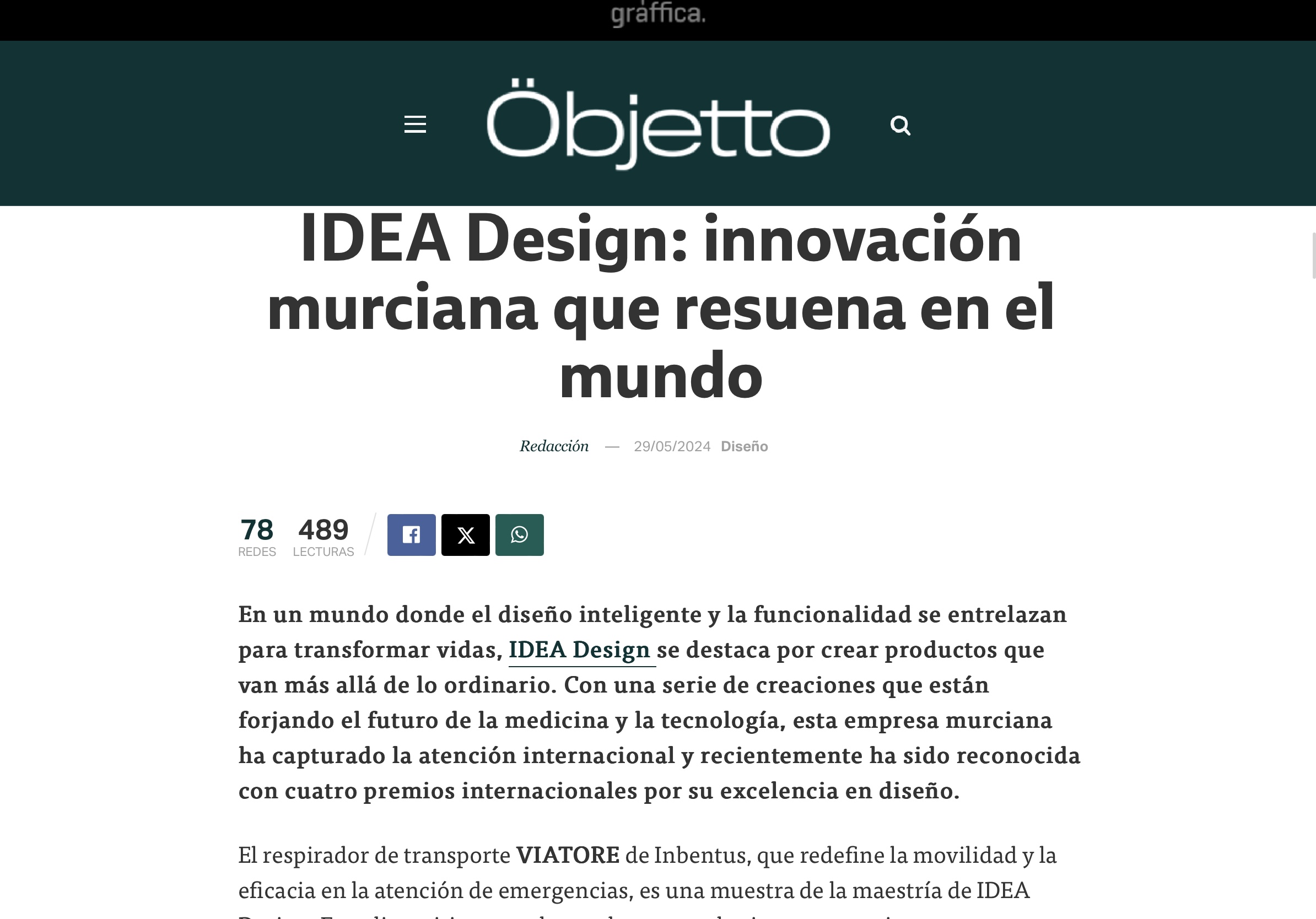
    Estamos encantados de compartir los frutos de nuestra colaboración con el equipo de Gràffica Info, un referente clave en el mundo del diseño gráfico. Desde nuestros primeros encuentros en los PENTAWARDS 2022, hemos construido una sólida conexión que ha enriquecido nuestro viaje creativo. Esta colaboración ha sido, sin duda, uno de los momentos destacados de nuestro año.

    A lo largo de nuestra colaboración, hemos compartido ideas, explorado nuevas tendencias y expandido los límites del diseño gráfico contemporáneo. Gracias a esta sinergia, hemos impulsado la innovación y explorado nuevas fronteras en nuestro campo.

    Gràffica Info ha tenido la amabilidad de destacar algunos de nuestros logros más significativos de este año en su prestigiosa web.
    Este gesto no solo reconoce nuestro trabajo conjunto, sino que también subraya la importancia del apoyo mutuodentro de la comunidad del diseño.
    Nos sentimos honrados de compartir nuestro camino con una audiencia tan comprometida.
    Para nosotros, esta colaboración va más allá de alcanzar objetivos empresariales:
    se trata de cultivar conexiones significativas, inspirarnos mutuamente y contribuir al crecimiento de la comunidad creativa.
    Creemos en el poder de la colaboración para impulsar la innovación y el progreso en el diseño.

    Brindemos por más colaboraciones creativas que rompan límites y por más oportunidades de celebrar logros colectivos. Juntos estamos dando forma al futuro del diseño, y nos entusiasma continuar este camino junto a nuestros valiosos partners de Gràffica Info y más allá. ¡Brindemos por la creatividad y la colaboración!

  • Celebrando nuestro camino en los IF DESIGN Awards en Berlín

    Celebrando nuestro camino en los IF DESIGN Awards en Berlín

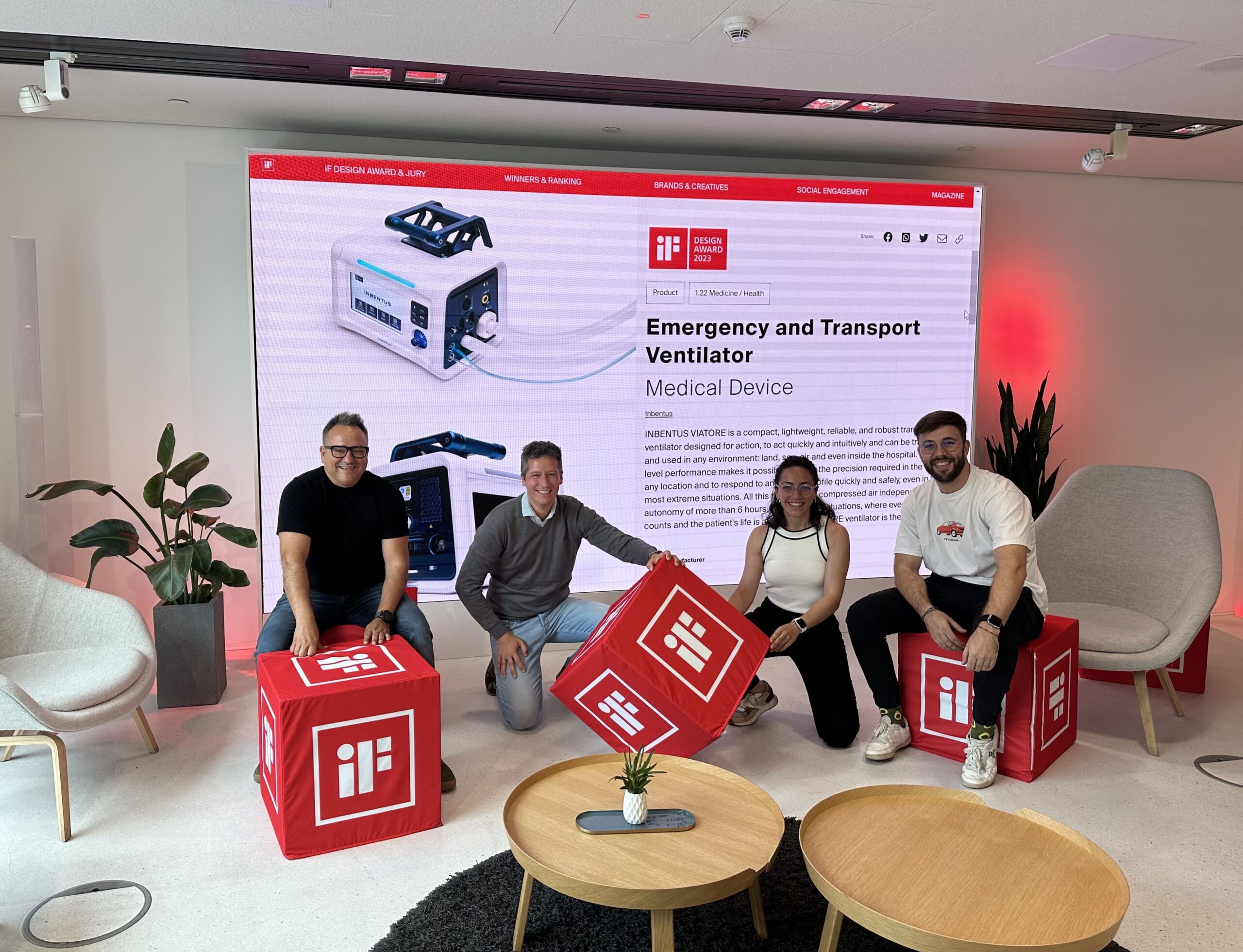
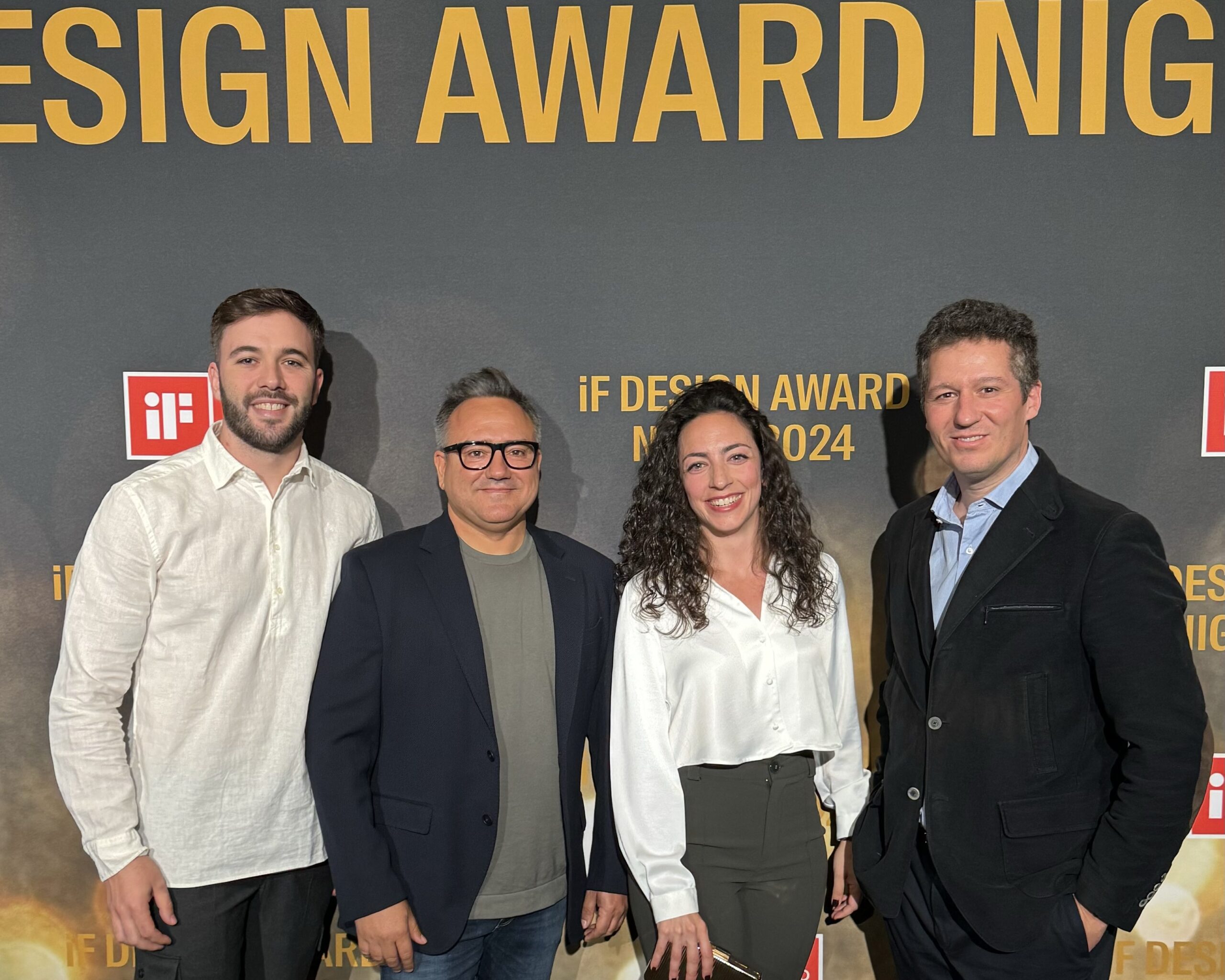
    Estamos encantados de compartir nuestra experiencia en la gala de los iF DESIGN Awards de este año en Berlín, un evento que reúne a las mentes más brillantes y a los diseños más innovadores de todo el mundo.
    Nuestra visita a Berlín fue verdaderamente inspiradora.
    La ciudad, con su rica historia y su vibrante cultura, ofreció el escenario perfecto para un evento inolvidable.
    Tuvimos el privilegio de escuchar a ponentes de primer nivel que nos recordaron el increíble impacto que el diseño puede tener para hacer del mundo un lugar mejor.
    La gala fue una fantástica oportunidad para conectar con otros diseñadores y líderes de la industria.
    Las conversaciones que mantuvimos no solo fueron enriquecedoras, sino también motivadoras, reforzando nuestra creencia en el poder de la colaboración y la innovación.
    Nos sentimos honrados de haber sido reconocidos con un iF DESIGN Award por tercer año consecutivo, pero lo que realmente destacó fue la experiencia de formar parte de un evento tan prestigioso.
    El apoyo de nuestros clientes, la dedicación del equipo de IDEA y el espíritu de la comunidad del diseño hicieron de esta una experiencia inolvidable.
    Gracias a todos los que han sido parte de este camino.
    Estamos entusiasmados por seguir trabajando juntos, ampliar los límites del diseño y acercar nuestros servicios cada vez más a vosotros.
    Aquí algunas imágenes que capturan la esencia de nuestra estancia en Berlín y los momentos más destacados de la gala.
    Agradecemos su apoyo continuo y esperamos seguir dando forma al futuro juntos.

  • IF DESIGN + NY PRODUCT DESIGN AWARDS 2023

    IF DESIGN + NY PRODUCT DESIGN AWARDS 2023

    IDEA DESIGN has done it again, this year it has been awarded 2 iF DESIGN AWARD 2023 in the category Product – Medicine / Health and 1 NY PRODUCT DESIGN AWARD 2023 in the category Food – Spices, Oils, Sauces & Spreads! International recognition as a seal of design excellence.

    This year we went to the gala with great excitement, and below we will tell you more about the nature of the awards, about the winning products and about the great experience we had!|

    About the awards


    IF DESIGN AWARD

    Every year, the world’s oldest independent design organisation, the iF International Forum Design GmbH, based in Hannover, organises the iF DESIGN AWARD. It gives designers from all over the world the opportunity to evaluate their work.

    The two products presented by IDEA DESIGN have been chosen by a jury of 133 leading design experts from different countries worldwide. The competition in this edition was fierce: almost 11,000 references from 56 countries competed for the desired label and seal of design excellence.| 

    NY PRODUCT DESIGN AWARD 2023

    In the hope of honouring and promoting product designers whose work makes the world a better place, the NY Product Design Awards were created. The competition is open to professionals and enthusiasts alike, and highlights the importance of product design as the consumption of goods becomes more complex than ever with the world becoming more integrated and connected.

    The awards had measures in place to maintain fairness in their judging process. One way of doing this was to diversify the perspectives in judging, which was done by bringing in 12 jurors from 11 countries.

    These jurors are highly regarded professionals in their fields and come under the banner of prestigious companies, such as Creative Art Director at Ogilvy Australia – Alexandre de Mello Collares, Managing Director/Co-Founder at LR Seoul – Joon Kwon, Associate Creative Director at MullenLowe – Renato Barreto, Industrial Designer at Arena Design Studio – Elham Mirzapour, and Executive Design Director at Futuredge Design Studio – Arvin Maleki, to name a few.

    From over 850 entries submitted, the competition determined the winners by examining the works submitted and how they improved people’s daily lives.|

    About the products


    But what are the award-winning products? Here is a brief introduction:

    fNIR – THEIA, a revolution in the neuroscience sector, a device that allows a very early diagnosis of neurological pathologies, such as Alzheimer’s disease or attention deficit disorder.

    VIATORE, a compact, light, reliable and robust transport ventilator designed for action, to act quickly and intuitively and can be transported and used in any environment: land, sea, air and even inside the hospital.

    GOURMET OILER, a compact and iconic product proposal that harmonises and makes sense together with other SOSO brand products. A container designed to last, reusable. Unique, integrated opening and closing system. Made of ceramic, with materials and oil from local producers in Andalusia and the Spanish Levante region.

  • People-centered product design

    People-centered product design

    What is it about when we talk about human-centered product design?

    It consists of creating in a specific and innovative way a product that satisfies consumers.

    Here are three advantages of human-centered product design:

    Based on empathy

    Empathy is vitally important, as it makes you see the world with the eyes of others. This is the best strategy. Get to know people and make empathy the center of your strategy.

    One of the keys is to conduct user interviews. It consists of conversations about the product. This information will help you design truly meaningful products, as well as create a lasting relationship with your customers.

    Foster the mindset of the learner

    The learner mindset will make you explore new possibilities, face prejudices and reason differently. Sounds good, right? For example, the learner’s perspective sees the challenge as an opportunity to grow and learn. He strives to listen to the concerns of the target audience, and then faces the challenge with a creative solution.

    In addition, he flees from a fixed mentality. It only offers one-way thinking, which will hold back your potential and creative possibilities.
    Guide yourself with optimism and curiosity through an open mind. The human-centered product design perspective requires this kind of approach.

    Boost ROI

    Looking for greater business benefits? Opt for human-centered product design. By taking the guesswork out, you won’t waste time or money.

    From the initial phases of product design, it interacts with the target audience. Get feedback and don’t believe blindly, this could result in a huge loss of money.

    Idea and create with your target audience in mind to offer them the best possible experience. Ask your customers what they need and offer them answers using the human-centered product design approach.

  • 
Industry 4.0 and data analysis

    
Industry 4.0 and data analysis

    Currently in the midst of the Fourth Industrial Revolution, it is a global trend to consider the integration of intelligent technology in the world of manufacturing.

    There are many companies that are missing this opportunity. Industry 4.0 is a paradigm shift not only for how we knew manufacturing, but also for data analytics.

    Intelligent technologies, and more specifically, machine learning, allow actionable information to be obtained from the data that is collected. Tangible data on increasing efficiency or reducing emissions.
    Today’s factories have sensors that collect a wealth of data. Most companies collect this data, but few use it for analysis.

    Traditional companies continue to indulge in archaic analysis tools.  Imagine a factory that locates a mishap with one of its products or processes, but can’t discover the cause. From the traditional method, it would be necessary to raise a hypothesis and perform an analysis that can take months to yield results.

    Machine learning.

    With this type of software you can study endless parameters that are harming the process, in order to go to the origin of the obstacle and remedy.

    In addition, machine learning does not stop at data analysis and problem detection. Its potential is to be able to guide decision-making by proposing tangible solutions.

    According to Deloitte, machine learning can increase production throughput by 20% and deliver gains of up to 35%.

    In the manufacturing sector, companies are striving to strike a balance between cost and quality, along with volume and emissions. Machine learning is the answer to this problem. In the future, this software can even be linked with robots to download the work of engineers.

  • How the workspace influences the employee experience

    How the workspace influences the employee experience

    ����������������������������������������������������������������������������������������������������������������������������������������������������������������������������������������������������������������������������������������������������������������������������������������������������������������������������������������������������������������������������������������������������������������������������������������������������������������������������������������������������������������������������������������������������������������������������������������������������������������������������������������������������������������������������������������������������������������������������������������������������������������������������������������������������������������������������������������������������������������������������������������������������������������������������������������������������������������������������������������������������������������������������������������������������������������������������������������������������������������������������������������������������������������������������������������������������������������������������������������������������������������������������������������������������������������������������������������������������������������������������������������������������������������������������������������������������������������������������������������������������������������������������������������������������������������������������������������������������������������������������������������������������������������������������������������������������������������������������������������������������������������������������������������������������������������������������������������������������������������������������������������������������������������������������������������������������������������������������������������������������������������������������������������������������������������������������������������������������������������������������������������������������������������������������������������������������������������������������������������������������������������������������������������������������������������������������

  • Industrial design in times of crisis. Special COVID-19.

    Industrial design in times of crisis. Special COVID-19.

    The pandemic has taught us that big changes not only come through technology, but also health emergencies can change the established, consumption habits and business models.

    What used to be seen as something natural, is now debated. Do we have to personally go to certain places? Are online contacts as relevant as physical contacts?

    Our obligation as product designers is to investigate what can transform habits through innovation.

    Product design has been fundamental in the fight against the pandemic, offering solutions such as contagion tracking apps, to 3D printed masks.

    Currently, faced with the inconvenience of sharing environments, exchanging objects or touching the same surface as others, innovation appears to respond.

    Some innovations that appeared or intensified during the pandemic:

    -Online communication through Teams, Skype, etc.
    -Advances in the IoT (Internet of Things), such as the use of remote control.
    -Online shopping and home delivery.
    -Non-contact installations, such as temperature taking, faucets, soap dispensers and dryers.
    -Driverless cars.
    -Use of drones.

    It is worth mentioning the creation of Oxyvita respirators. It is one of the cheapest ICU ventilators on the market. Its assembly and use are so simple that they do not require a high specialization and the patent of its design is open.

    At Idea Strategic Firm we have also contributed to the design and development of products that help take precautions and stop the spread of COVID-19.

    Surely you have seen LOSDI soap dispensers in countless public spaces. They are one of the basic solutions to ensure hygiene; They are also essential to our new normal. The soap dispenser of the Paris series and the «Star» range were born from our collaboration with the benchmark in the industrial hygiene sector, LOSDI. Get to know one of these projects.| 
    Our obligation as product designers is to investigate what can transform habits through innovation.

  • Product Redesign Steps

    Product Redesign Steps

    The pandemic has taught us that big changes not only come through technology, but also health emergencies can change the established, consumption habits and business models.

    What used to be seen as something natural, is now debated. Do we have to personally go to certain places? Are online contacts as relevant as physical contacts?

    Our obligation as product designers is to investigate what can transform habits through innovation.

    Product design has been fundamental in the fight against the pandemic, offering solutions such as contagion tracking apps, to 3D printed masks.

    Currently, faced with the inconvenience of sharing environments, exchanging objects or touching the same surface as others, innovation appears to respond.

    Some innovations that appeared or intensified during the pandemic:

    -Online communication through Teams, Skype, etc.
    -Advances in the IoT (Internet of Things), such as the use of remote control.
    -Online shopping and home delivery.
    -Non-contact installations, such as temperature taking, faucets, soap dispensers and dryers.
    -Driverless cars.
    -Use of drones.

    It is worth mentioning the creation of Oxyvita respirators. It is one of the cheapest ICU ventilators on the market. Its assembly and use are so simple that they do not require a high specialization and the patent of its design is open.

    At Idea Strategic Firm we have also contributed to the design and development of products that help take precautions and stop the spread of COVID-19.

    Surely you have seen LOSDI soap dispensers in countless public spaces. They are one of the basic solutions to ensure hygiene; They are also essential to our new normal. The soap dispenser of the Paris series and the «Star» range were born from our collaboration with the benchmark in the industrial hygiene sector, LOSDI. Get to know one of these projects.| 
    Our obligation as product designers is to investigate what can transform habits through innovation.